Anti - static shelving is a crucial component in industries where static electricity can pose significant risks. As a supplier of anti - static shelving, it is essential to understand the different types available to provide the best solutions for our clients. In this blog, we will explore various types of anti - static shelving, their features, and applications.
1. Steel Anti - Static Shelving
Steel anti - static shelving is one of the most common types on the market. It is known for its durability and strength. The steel frame provides a stable structure that can withstand heavy loads. The shelves are usually coated with an anti - static paint or finish, which helps to dissipate static electricity.
This type of shelving is suitable for a wide range of industries, including electronics manufacturing, medical device production, and chemical handling. In electronics manufacturing, steel anti - static shelving can protect sensitive components from electrostatic discharge (ESD), which can damage or destroy them. The rigid structure also allows for easy organization of different parts and tools.
However, steel anti - static shelving can be relatively heavy and may require more floor space for installation. Mobility can be an issue, especially if the layout of the workspace needs to be frequently changed. But for long - term, stable storage needs in industrial settings, it is an excellent choice.
2. Plastic Anti - Static Shelving
Plastic anti - static shelving is lightweight and corrosion - resistant. It is often made from specially formulated plastics that have anti - static properties. This makes them ideal for environments where there is a risk of corrosion, such as in cleanrooms or areas with high humidity.
Plastic anti - static shelves are also easy to clean, which is a significant advantage in industries where hygiene is a priority, like the food and beverage and pharmaceutical industries. They can be easily moved around, allowing for flexible storage solutions. For example, in a cleanroom where the layout needs to be adjusted regularly to accommodate different production processes, plastic anti - static shelving can be quickly repositioned.
On the downside, plastic shelving may not be as strong as steel shelving. It may not be suitable for holding extremely heavy items. Over time, with repeated use, plastic shelves may also show signs of wear and tear more easily.
3. Wood Anti - Static Shelving
Wood anti - static shelving has a more natural and aesthetically pleasing appearance. It is often used in some high - end or specialty storage applications. The wood can be treated with anti - static agents to achieve the desired anti - static performance.
This type of shelving is suitable for industries where the visual appeal of the storage area is important, such as in boutique electronics or luxury product storage. Wood can also provide a certain level of insulation, which may be beneficial in some applications. However, wood is more susceptible to moisture and pests. In a humid environment, the wood may warp or rot, and pests like termites can cause damage.
4. Custom - Built Anti - Static Shelving
For some industries with unique requirements, custom - built anti - static shelving is the best option. We can design and manufacture shelving according to the specific needs of the client, including dimensions, weight capacity, and anti - static performance.
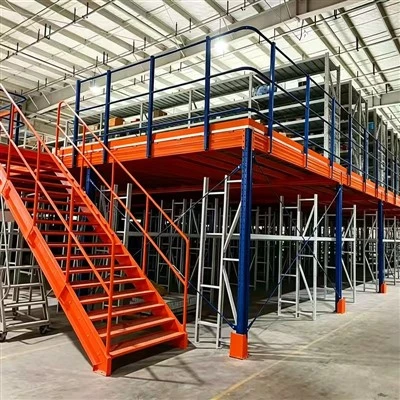
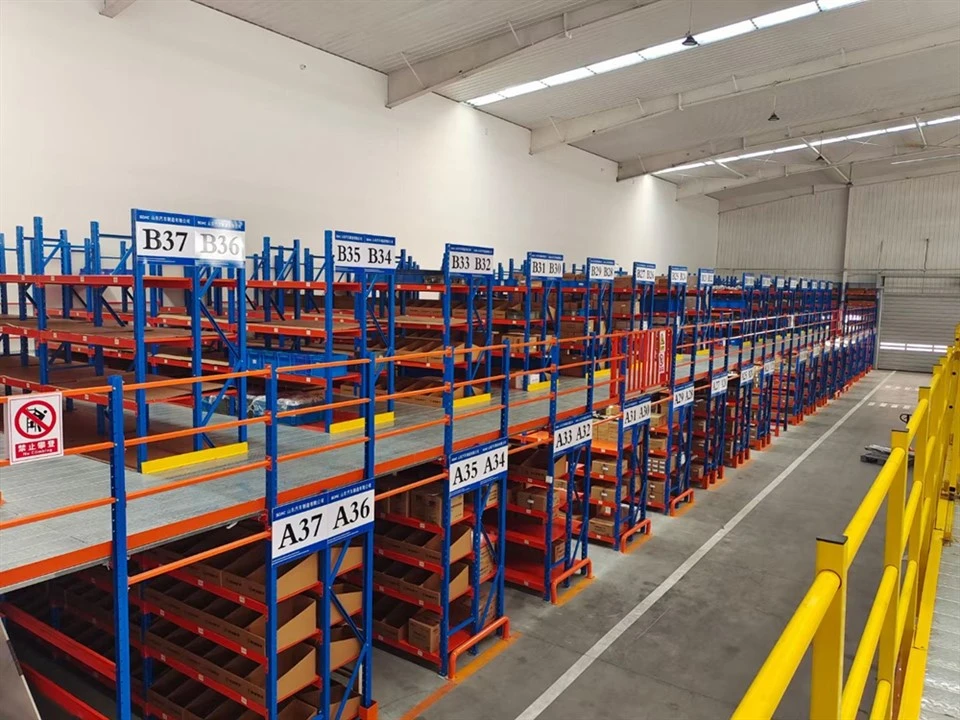
Custom - built shelving can be a combination of different materials, such as using steel frames with plastic shelves. This allows for the advantages of both materials to be utilized. For example, in an automotive parts manufacturing facility, custom - built anti - static shelving can be designed to fit the specific shape and size of the auto parts. It can also be integrated with other storage systems, such as Mezzanine Racking for Auto Parts, to maximize the use of vertical space.
5. Mobile Anti - Static Shelving
Mobile anti - static shelving is designed to be easily moved. It is usually equipped with wheels or a rolling mechanism, which allows for quick reconfiguration of the storage space. This type of shelving is very useful in warehouses or production facilities where the layout needs to be changed frequently.
For instance, in a large - scale electronics assembly plant, mobile anti - static shelving can be moved around to different workstations as needed. It can also be used to access items in a more efficient way, as it can be rolled out to provide better access to stored goods. There are different types of mobile anti - static shelving, such as Rolling Stack Shelving, which can be stacked to save space when not in use.
6. Adjustable Anti - Static Shelving
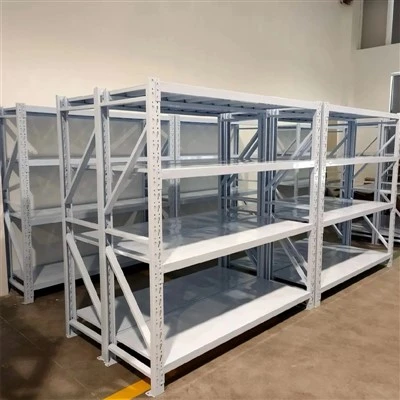
Adjustable anti - static shelving offers flexibility in terms of shelf height. The shelves can be easily adjusted to accommodate items of different sizes. This is particularly useful in industries where the size of stored items can vary greatly, such as in a tool storage area or a parts warehouse.
Adjustable Stacking Shelves are a type of adjustable anti - static shelving. They can be stacked on top of each other to increase storage capacity, and the adjustable shelves allow for efficient use of the vertical space. This type of shelving can adapt to changing inventory needs over time, making it a cost - effective solution for long - term storage.

7. Automated Anti - Static Shelving
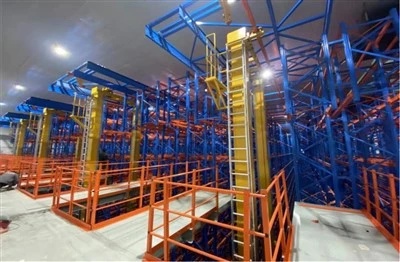
In modern industrial settings, automated anti - static shelving is becoming increasingly popular. It uses advanced technologies such as robotics and sensors to manage the storage and retrieval of items. This type of shelving can significantly improve the efficiency of storage operations.
Automated anti - static shelving can be integrated with other automated systems, such as AGV Racking System. AGV (Automated Guided Vehicle) can work in conjunction with the shelving to move items in and out of the storage area automatically. This reduces the need for manual labor, minimizes the risk of human - error, and improves the overall productivity of the warehouse.
8. Cold Storage Anti - Static Shelving
In cold storage environments, such as Freezer Room Shelving, special anti - static shelving is required. These shelves need to be able to withstand low temperatures and maintain their anti - static properties.
Cold storage anti - static shelving is usually made from materials that are resistant to cold and moisture. The anti - static coating or treatment also needs to be suitable for low - temperature conditions. This type of shelving is essential in industries like the food and pharmaceutical industries, where products need to be stored at low temperatures and protected from static electricity.
As a supplier of anti - static shelving, we understand that different industries have different requirements for storage solutions. Whether you need a simple, cost - effective plastic anti - static shelf or a complex, automated anti - static storage system, we can provide the right product for you. Our team of experts can work with you to understand your specific needs and design a customized solution. If you are interested in our anti - static shelving products or need more information, please feel free to contact us for procurement and negotiation.
References
- Industrial Storage Handbook: A Guide to Shelving and Racking Systems
- Anti - Static Technology: Principles and Applications in Storage